
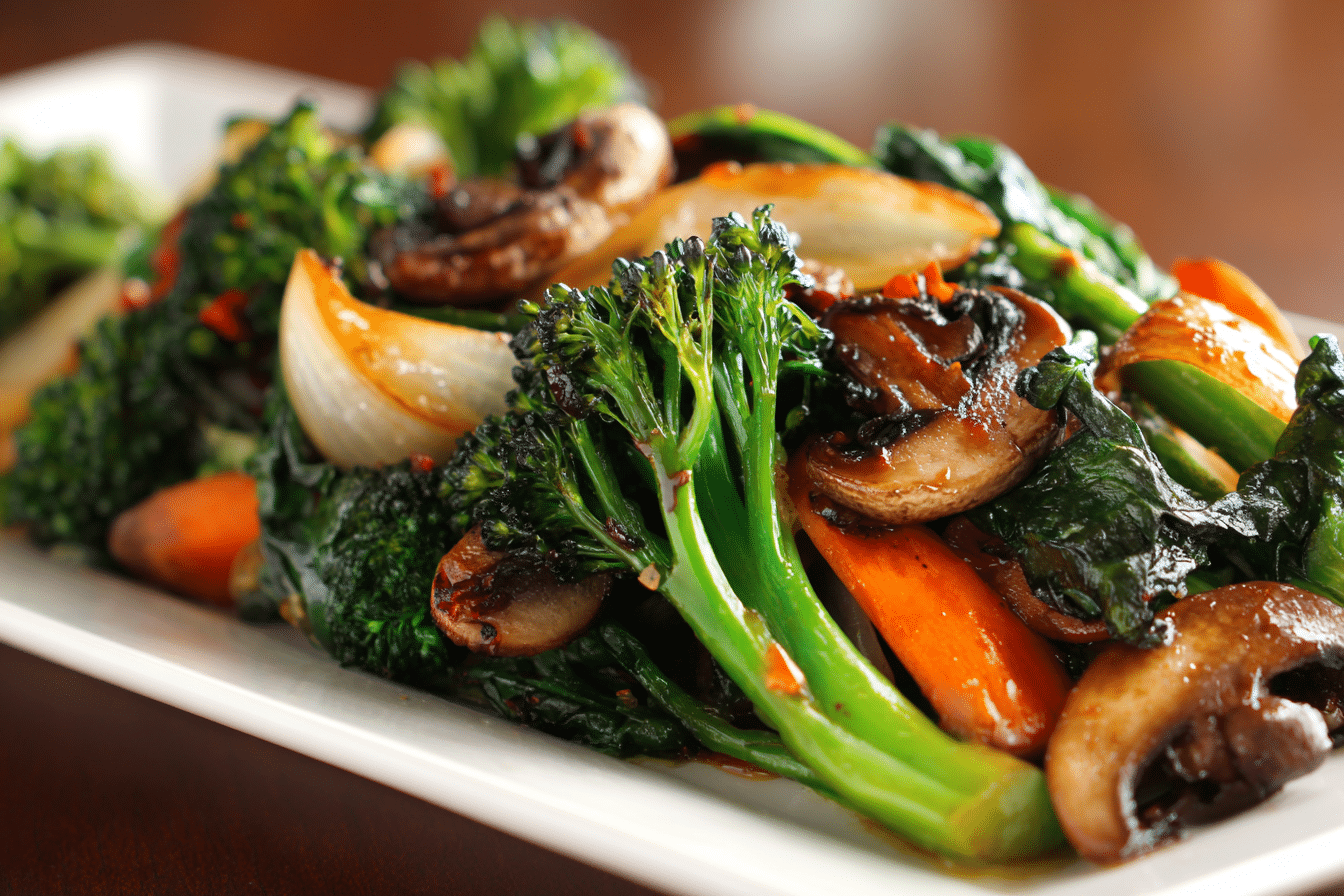
Healthy Sautéed Vegetables are one of the easiest, most nourishing dishes you can make on a busy day. Whether you serve them as a side, a meal base, or a lunch prep essential, sautéed vegetables bring color, texture, and flavor to the table — all in under 20 minutes.
This dish highlights the natural sweetness and earthiness of fresh vegetables, cooked just until tender-crisp in a hot pan. You get all the nutritional goodness without overcooking or drenching them in sauce. It’s a celebration of simplicity: olive oil, garlic, and a few pantry herbs are all you need to turn everyday produce into something delicious.
Perfect for weeknight dinners, meal prepping, or adding to rice bowls, pasta, or salads, these veggies are endlessly adaptable to whatever’s in season or in your fridge.
Ingredients Overview
The beauty of sautéed vegetables lies in flexibility. Here’s a breakdown of the essential ingredients and what they bring to the pan:
-
Bell Peppers: Use red, yellow, or orange for sweetness and color. They hold their shape when sautéed and offer a subtle crunch.
-
Zucchini: Mild and tender with high water content, zucchini absorbs flavors beautifully. Slice into half-moons for even cooking.
-
Broccoli Florets: Add texture and a slightly nutty flavor. Cut small so they cook quickly and evenly.
-
Carrots: Bring earthy sweetness and vibrant orange hue. Slice thin for quicker cooking.
-
Red Onion or Shallots: Adds a mild bite and slight sweetness when sautéed. Cut into thin wedges or slices.
-
Garlic: Essential for flavor depth. Mince or slice thin, and sauté until fragrant — don’t let it burn.
-
Olive Oil: Use extra virgin for a Mediterranean touch, or avocado oil for higher-heat cooking.
-
Salt and Pepper: Simple seasoning that enhances natural flavors without overpowering them.
-
Herbs and Spices (optional):
-
Dried oregano, thyme, or Italian seasoning for herbal notes.
-
Crushed red pepper flakes for heat.
-
Lemon juice or balsamic vinegar for brightness at the end.
-
Ingredient Tips:
-
Fresh vs. Frozen: Fresh vegetables are best for texture, but frozen can work in a pinch. Just sauté in batches to avoid steaming.
-
Uniform Cuts: Slice vegetables to similar sizes so they cook evenly.
-
Don’t overcrowd: A hot, not-too-full pan ensures browning instead of steaming.
Step-by-Step Instructions
1. Prepare and Cut the Vegetables
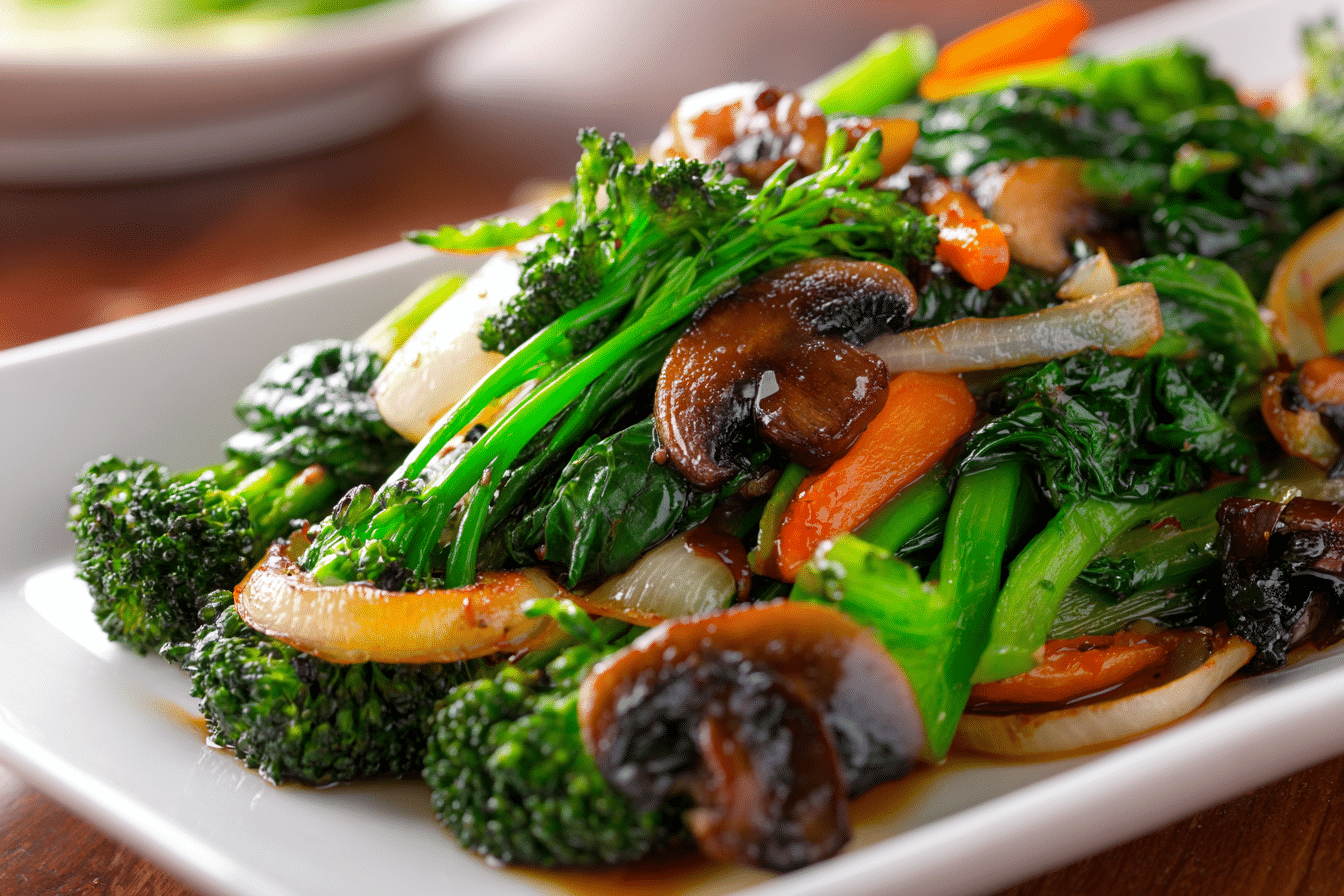
Wash and dry your vegetables thoroughly. Slice bell peppers into strips, zucchini into half-moons, broccoli into small florets, and carrots into thin coins or matchsticks. Keep onion slices medium-thick so they soften without turning to mush.
2. Heat the Skillet
Use a large skillet or sauté pan. Heat 1–2 tablespoons of olive oil over medium-high heat until shimmering but not smoking. A hot pan is key to quick cooking and caramelized edges.
3. Start with the Harder Vegetables
Add carrots and broccoli first, as they take longer to soften. Stir frequently for about 3–4 minutes.
4. Add Softer Vegetables
Add bell peppers, zucchini, and onions. Sauté for another 4–5 minutes, stirring occasionally. The vegetables should begin to brown at the edges but stay vibrant and firm.
5. Add Garlic and Seasoning
Push the vegetables to one side and add a bit more oil if needed. Add garlic and sauté for 30 seconds until fragrant. Then toss everything together with salt, pepper, and herbs.
6. Finish and Serve
Once all vegetables are tender-crisp and lightly golden, remove from heat. Squeeze a bit of lemon juice or drizzle with balsamic vinegar if desired. Serve warm.
Cooking Tips:
-
Avoid high heat for too long — medium-high gives the best sear without burning.
-
Don’t stir constantly; let vegetables sit for 30–60 seconds between tosses for better browning.
-
Taste and adjust seasoning right before serving.
Tips, Variations & Substitutions
Cooking Tips
-
Use a large surface area pan or sauté in batches to avoid overcrowding.
-
Preheat the pan and oil before adding vegetables — this locks in color and flavor.
-
Add a splash of water or broth to help steam stubborn vegetables like broccoli.
Flavor Variations
-
Asian-Inspired: Add a splash of soy sauce, sesame oil, and a pinch of ginger.
-
Italian Style: Use basil, oregano, and a sprinkle of parmesan at the end.
-
Southwestern: Add corn, black beans, cumin, and chili powder.
Substitutions
-
Oil-Free: Use broth for sautéing if avoiding oil, but expect less browning.
-
Low-Sodium: Skip added salt and focus on fresh herbs and acids like lemon.
-
Allium-Free: Omit onion and garlic and add leeks or celery instead for lighter flavor.
Serving Ideas & Occasions
Healthy Sautéed Vegetables are incredibly versatile. Here are a few favorite ways to enjoy them:
-
With Grains: Serve over brown rice, quinoa, or couscous for a balanced lunch.
-
As a Side Dish: Perfect next to grilled chicken, baked fish, or tofu.
-
In a Wrap or Sandwich: Add to whole grain wraps with hummus or a tahini drizzle.
-
As Meal Prep: Portion into containers with a lean protein and grain for weekday meals.
-
Topped with Eggs: Makes a satisfying, savory breakfast or brunch bowl.
Perfect for weeknight dinners, summer cookouts, or healthy potluck additions. They’re colorful, inviting, and pair well with most global cuisines.
Nutritional & Health Notes
Sautéed vegetables are packed with nutrients, offering a spectrum of vitamins, minerals, and antioxidants. Carrots deliver beta-carotene, broccoli adds fiber and vitamin C, and bell peppers contribute vitamin A and potassium.
This dish is naturally low in calories, high in fiber, and rich in volume — meaning it fills you up without weighing you down. When sautéed in olive oil, you also get healthy fats that help with nutrient absorption.
For a lighter version, use minimal oil or a nonstick pan with broth. For more protein, add chickpeas, edamame, or sliced chicken breast.
Best of all, this recipe helps meet your daily vegetable intake goals in the most delicious way.
FAQs
Q1: Can I use frozen vegetables?
Yes, but sauté them in small batches to prevent steaming. Thaw if possible and pat dry for better texture.
Q2: What’s the best oil for sautéing vegetables?
Olive oil is flavorful and nutritious. For higher-heat cooking, avocado oil or grapeseed oil are excellent options.
Q3: How do I keep the vegetables from getting mushy?
Don’t overcrowd the pan and cook over medium-high heat. Stir occasionally, not constantly, to allow browning.
Q4: Can I make this in advance?
Absolutely. Cooked vegetables keep well in the fridge for 3–4 days. Reheat in a skillet or microwave before serving.
Q5: What vegetables shouldn’t be sautéed?
Leafy greens like lettuce don’t sauté well, but kale, spinach, and chard do. Avoid very watery vegetables like cucumbers or iceberg lettuce.
Q6: Can I add protein to make it a meal?
Yes! Add cooked chicken, tofu, shrimp, or canned beans during the last few minutes of cooking.
Q7: How can I use leftovers?
Toss into a frittata, stir into pasta, layer over toast, or roll into a tortilla with hummus for an easy wrap.
PrintHealthy Sautéed Vegetables – A Quick, Colorful Side Dish
A vibrant, quick-cooked medley of vegetables sautéed in olive oil with garlic and herbs. A nutritious and colorful side dish or base for any meal.
Ingredients
-
1 red bell pepper, sliced
-
1 zucchini, halved and sliced
-
1 cup broccoli florets
-
1 carrot, thinly sliced
-
½ red onion, sliced
-
2 cloves garlic, minced
-
2 tbsp olive oil
-
½ tsp salt
-
¼ tsp black pepper
-
½ tsp dried Italian herbs (optional)
-
1 tsp lemon juice or balsamic vinegar (optional)
Instructions
Prep all vegetables and slice evenly.
Heat 1 tbsp oil in a large skillet over medium-high heat.
Add broccoli and carrots; cook 3–4 minutes.
Add zucchini, peppers, and onions; sauté another 4–5 minutes.
Add garlic and seasonings. Cook 1 minute more, tossing gently.
Finish with lemon juice or vinegar and serve warm.
Notes
Swap vegetables based on seasonality or preference. Add protein for a complete meal. Store leftovers in the fridge up to 4 days.