
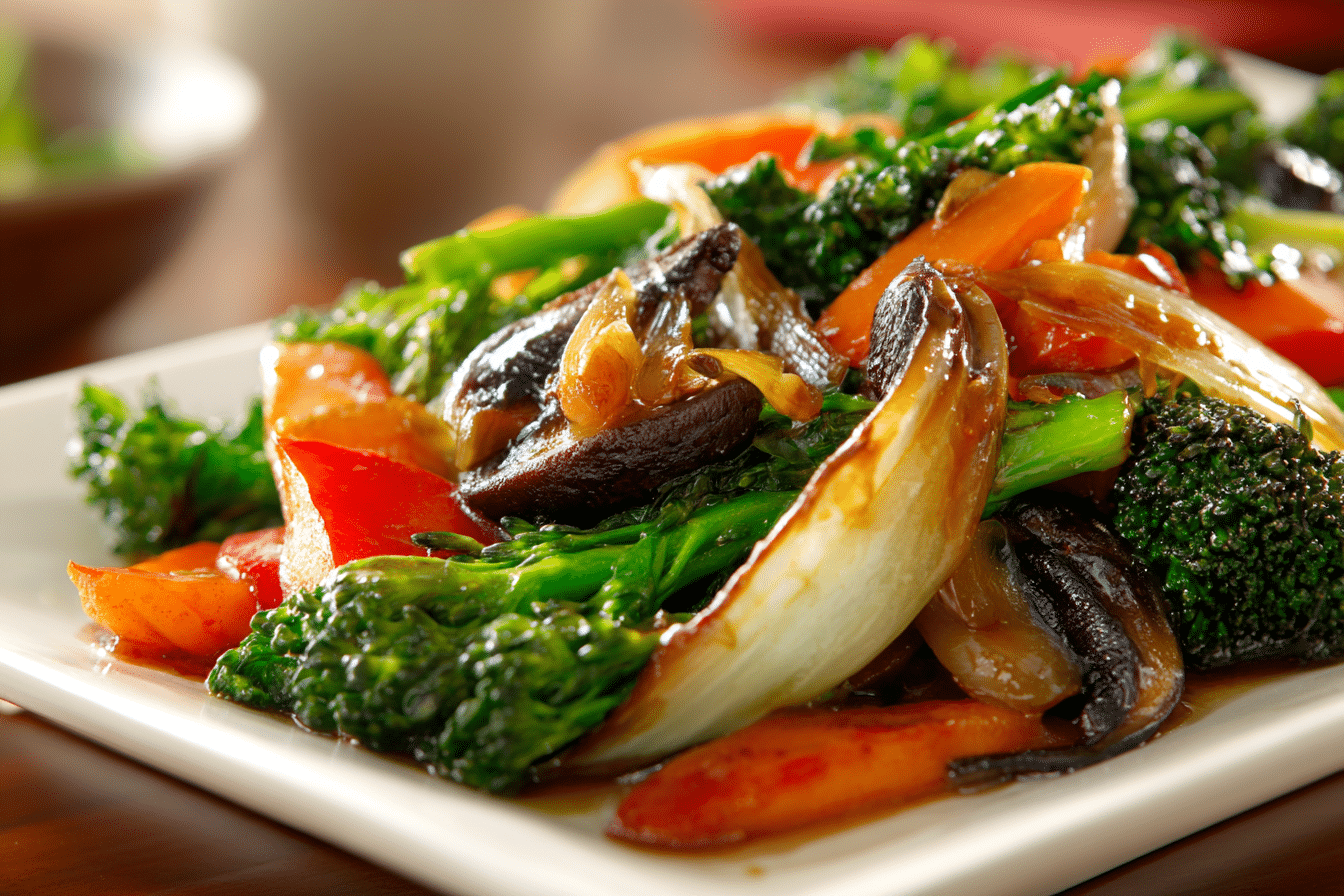
Simple, fresh, and bursting with flavor, Healthy Sautéed Vegetables are a versatile side dish you can make in under 20 minutes. Whether you’re serving them alongside grilled protein, tossing them into grain bowls, or enjoying them on their own, these vegetables are vibrant, crisp-tender, and perfectly seasoned.
Sautéing is one of the best techniques for preserving the natural taste and texture of vegetables while adding depth through caramelization. This recipe uses heart-healthy olive oil, aromatic garlic, and a splash of lemon to brighten the flavors — a nourishing option for any meal.
Ingredients Overview
The beauty of sautéed vegetables lies in their flexibility. You can mix and match based on the season, your personal taste, or what’s in your fridge. Here are the best vegetables to include and how each contributes to the dish.
Bell Peppers
-
Add sweetness, vibrant color, and soft crunch.
-
Use a mix of red, yellow, and green for a visual and flavor contrast.
-
Slice thinly for even cooking.
Zucchini or Yellow Squash
-
Mild and slightly nutty, with a tender texture when sautéed.
-
Slice into half-moons for quick, uniform cooking.
-
Avoid overcooking — it becomes mushy if left too long on heat.
Broccoli or Broccolini
-
Offers earthy, slightly bitter notes and a hearty chew.
-
Chop into bite-sized florets for faster cooking.
-
Blanching before sautéing helps retain its bright green color.
Carrots
-
Naturally sweet and adds color and crunch.
-
Thinly slice or julienne for quicker sautéing.
-
If thick-cut, give them a 2–3 minute head start in the pan.
Red Onion
-
Mild when cooked and adds aromatic sweetness.
-
Slice thinly and sauté until lightly caramelized.
Garlic
-
Essential for depth and aroma.
-
Sauté gently to avoid burning, which makes it bitter.
Olive Oil
-
A heart-healthy fat that helps caramelize the veggies.
-
Extra virgin olive oil adds rich flavor without overpowering the dish.
Seasonings
-
Salt and freshly ground pepper for basic seasoning.
-
Italian herbs, thyme, or rosemary for extra flavor.
-
A splash of lemon juice or balsamic vinegar at the end for brightness.
Step-by-Step Instructions
This quick-cooking method delivers flavorful, crisp-tender vegetables every time.
1. Prep the Vegetables
Wash and slice all vegetables into similar sizes for even cooking. Here’s a suggested quantity:
-
1 red bell pepper, thinly sliced
-
1 zucchini, halved and sliced
-
1 carrot, julienned or thinly sliced
-
½ red onion, thinly sliced
-
1 cup broccoli florets
-
2–3 garlic cloves, minced
Tip: Keep denser vegetables like carrots and broccoli slightly smaller to match the cook time of softer ones.
2. Heat the Oil
In a large skillet or sauté pan, heat:
-
1½ tablespoons olive oil over medium-high heat
When the oil shimmers, it’s ready.
3. Sauté the Harder Veggies First
Add:
-
Carrots and broccoli
Sauté for 2–3 minutes, stirring occasionally until they begin to soften.
4. Add the Softer Veggies
Add:
-
Bell peppers, zucchini, and red onion
Continue to sauté for 5–7 minutes, stirring often. Vegetables should be golden at the edges but not limp.
5. Add Garlic and Seasoning
Add:
-
Minced garlic
-
Salt and pepper to taste
-
Optional: 1 tsp dried Italian seasoning or a pinch of chili flakes
Sauté for 30 seconds until fragrant. Don’t let the garlic brown.
6. Finish with Lemon or Balsamic
Turn off heat and squeeze over:
-
Juice of ½ lemon or 1 tsp balsamic vinegar
Toss well and taste for seasoning. Serve warm.
Tips, Variations & Substitutions
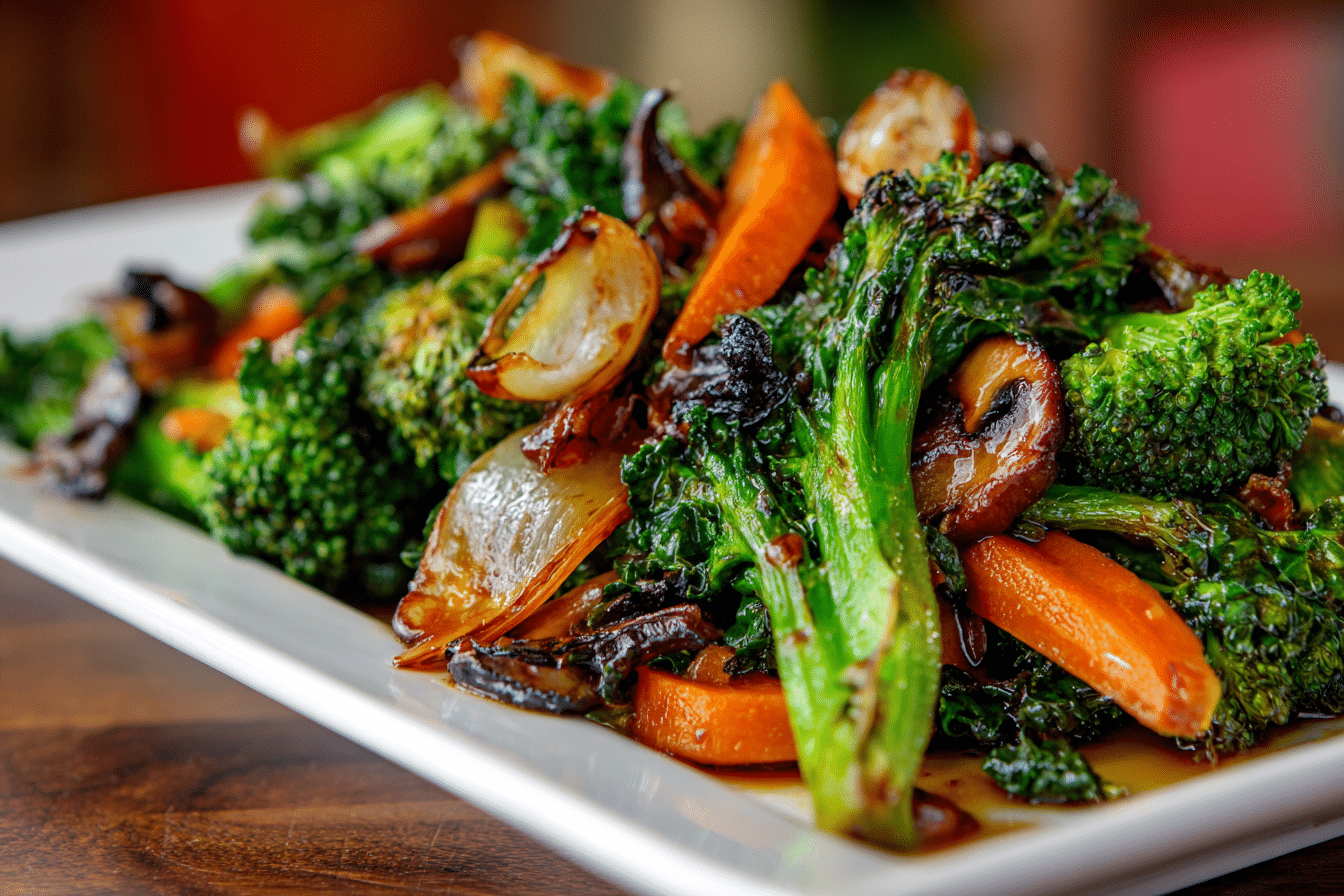
Sautéed vegetables are easy to adapt — here’s how to customize them to your preference or dietary needs.
Cooking Tips
-
Don’t overcrowd the pan: Work in batches if needed. Too many vegetables will steam instead of sauté.
-
Keep heat at medium-high: This encourages caramelization without overcooking.
-
Use a wide skillet: Gives more surface area for browning.
Flavor Variations
-
Asian-Inspired: Add sesame oil, soy sauce, and ginger instead of Italian herbs and lemon.
-
Mexican-Style: Add cumin, chili powder, and finish with lime juice.
-
Herby Garlic Butter: Swap olive oil for ghee or butter and stir in fresh parsley or basil at the end.
Vegetable Swaps
-
Green beans, asparagus, mushrooms, or cherry tomatoes can all be added.
-
Kale or spinach can be stirred in during the last minute of cooking.
-
Cauliflower or Brussels sprouts work well if par-cooked beforehand.
Low-FODMAP or Allergen-Free
-
Skip garlic and onions; use garlic-infused oil instead.
-
Stick with olive oil for dairy-free, nut-free, and gluten-free diets.
Serving Ideas & Occasions
These sautéed vegetables pair well with almost anything. Try them:
-
With grilled chicken, tofu, or fish for a complete meal
-
Over brown rice, quinoa, or farro for a plant-based bowl
-
Tucked into wraps or sandwiches for added texture and flavor
-
As a topping for pasta with olive oil, lemon, and herbs
-
Alongside eggs or in omelets for a colorful breakfast
They’re ideal for:
-
Weeknight dinners
-
Meal prep — they reheat well
-
Holiday side dishes
-
Clean eating and whole food diets
Nutritional & Health Notes
These sautéed vegetables are low in calories but high in:
-
Fiber: Aids digestion and helps with fullness
-
Antioxidants: From colorful vegetables like peppers and carrots
-
Vitamins A, C, and K: Essential for immune health and skin
-
Healthy fats: From olive oil, supporting heart and brain health
You’ll get a satisfying, nutrient-dense side dish that supports balanced eating and fits into vegetarian, vegan, paleo, and gluten-free lifestyles.
FAQs
Q1: Can I use frozen vegetables?
A1: Yes, but thaw and pat dry first to reduce moisture. Sauté in small batches over higher heat to avoid steaming.
Q2: How do I keep the vegetables from getting soggy?
A2: Don’t overcrowd the pan, and sauté over medium-high heat. Also, avoid covering the pan — steam makes veggies soft.
Q3: Can I store leftovers?
A3: Absolutely. Store in an airtight container in the fridge for up to 4 days. Reheat in a skillet to restore texture.
Q4: What’s the best oil for sautéing vegetables?
A4: Extra virgin olive oil works well for medium heat. For higher-heat sautéing, use avocado oil or light olive oil.
Q5: How can I make these vegetables spicy?
A5: Add chili flakes, jalapeño slices, or a drizzle of hot sauce while cooking. You can also finish with a dash of cayenne.
Q6: Can I make this ahead of time?
A6: Yes. Chop vegetables in advance and store them in containers. Cook fresh or in the morning for packed lunches.
Q7: Do I need to blanch any of the vegetables?
A7: Not required, but blanching broccoli or carrots for 1–2 minutes before sautéing can speed up cooking and preserve color.
PrintHealthy Sautéed Vegetables – A Quick, Colorful Side Dish
Colorful, crisp-tender vegetables sautéed in olive oil with garlic, herbs, and a splash of lemon. A healthy, easy side dish that’s ready in under 20 minutes.
Ingredients
-
1 red bell pepper, thinly sliced
-
1 zucchini, halved and sliced
-
1 carrot, thinly sliced or julienned
-
½ red onion, thinly sliced
-
1 cup broccoli florets
-
2–3 cloves garlic, minced
-
1½ tbsp olive oil
-
Salt and pepper to taste
-
1 tsp Italian seasoning (optional)
-
Juice of ½ lemon or 1 tsp balsamic vinegar
Instructions
-
Prep all vegetables into uniform sizes.
-
Heat olive oil in a large skillet over medium-high heat.
-
Add carrots and broccoli first. Sauté for 2–3 minutes.
-
Add remaining vegetables and continue to cook for 5–7 minutes.
-
Stir in garlic and seasonings. Sauté 30 seconds more.
-
Finish with lemon juice or vinegar. Serve warm.
Notes
Customize with your favorite vegetables and herbs. Avoid overcrowding the pan. Store leftovers in the fridge for up to 4 days.