
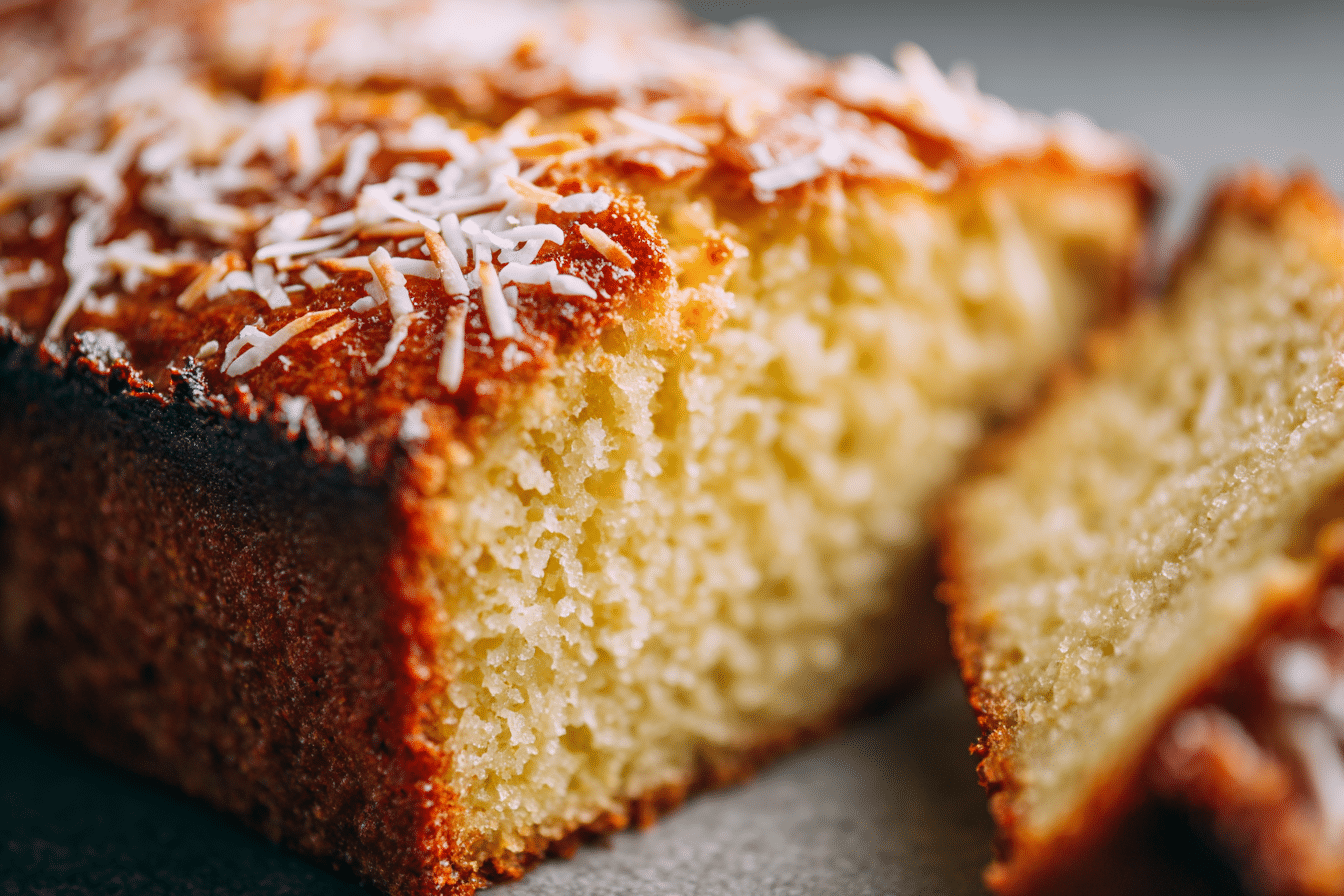
Moist Lemon Yogurt Cake is the kind of dessert that fills the kitchen with the clean, citrusy scent of fresh lemon zest and warm vanilla. It is soft, tender, and delicately tangy, with a fine crumb that stays moist for days thanks to creamy yogurt in the batter.
This cake strikes a beautiful balance between sweet and bright. The lemon flavor is present without being sharp, and the yogurt adds richness without heaviness. Each slice feels light yet satisfying, making it suitable for afternoon tea, brunch gatherings, or a simple after-dinner treat.
What makes Moist Lemon Yogurt Cake especially appealing is its simplicity. The ingredients are pantry-friendly, the steps are straightforward, and the results are consistently reliable. Whether baked in a loaf pan or round cake tin, this cake delivers a soft texture and refreshing flavor that feels timeless and comforting.
Ingredients Overview
The foundation of Moist Lemon Yogurt Cake begins with all-purpose flour. It provides structure while still allowing for a tender crumb. For a slightly lighter texture, you can substitute a portion of the flour with cake flour. If needed, a one-to-one gluten-free baking blend can work, though texture may vary slightly.
Plain whole-milk yogurt is the star ingredient. It adds moisture, subtle tang, and richness without requiring excess butter. Greek yogurt can be used, but if it is very thick, thin it slightly with a tablespoon or two of milk to maintain proper batter consistency.
Fresh lemons bring both zest and juice to the recipe. The zest contains fragrant oils that infuse the batter with bright citrus aroma, while the juice provides gentle acidity that reacts with baking powder for lift. Always zest before juicing for ease.
Granulated sugar sweetens the cake and contributes to its soft texture. Eggs add structure and help emulsify the batter. Neutral oil, such as vegetable or light olive oil, keeps the crumb moist longer than butter alone. A small amount of vanilla extract rounds out the flavor.
Baking powder provides lift, and a pinch of salt balances sweetness. For a simple glaze, powdered sugar mixed with fresh lemon juice creates a light topping that soaks slightly into the cake’s surface, adding extra citrus character.
Step-by-Step Instructions
Begin by preheating your oven to 350°F (175°C). Grease and line a standard 9-inch loaf pan with parchment paper, allowing some overhang for easy removal. Proper preparation prevents sticking and preserves the cake’s delicate edges.
In a medium bowl, whisk together 1 1/2 cups all-purpose flour, 2 teaspoons baking powder, and 1/2 teaspoon salt. Set aside. Combining dry ingredients first distributes the leavening evenly and prevents uneven rising.
In a large mixing bowl, combine 1 cup granulated sugar and the zest of 2 lemons. Rub the zest into the sugar with your fingertips for about a minute. This releases fragrant oils and intensifies the lemon flavor throughout the cake.
Add 3 large eggs to the lemon sugar mixture and whisk until pale and slightly thickened. Stir in 1 cup plain whole-milk yogurt, 1/2 cup neutral oil, 1 teaspoon vanilla extract, and 2 tablespoons fresh lemon juice. Mix until smooth and fully combined.
Gradually fold the dry ingredients into the wet mixture using a spatula. Stir gently just until no streaks of flour remain. Overmixing can lead to a dense cake, so stop as soon as the batter is smooth.
Pour the batter into the prepared pan and smooth the top. Tap the pan lightly on the counter to release any large air bubbles. Bake for 45 to 55 minutes, or until a toothpick inserted into the center comes out clean or with a few moist crumbs.
If the top begins to brown too quickly, tent loosely with foil during the final 10 to 15 minutes. Once baked, allow the cake to cool in the pan for 10 minutes before lifting it out using the parchment overhang. Transfer to a wire rack to cool completely.
For the glaze, whisk together 1 cup powdered sugar and 2 to 3 tablespoons fresh lemon juice until smooth and pourable. Spoon over the cooled cake, allowing it to drip gently down the sides. Let the glaze set before slicing.
Tips, Variations & Substitutions

For a more intense lemon flavor, add an extra teaspoon of zest or a small amount of lemon extract. Be cautious with extract, as it can become overpowering quickly.
If you prefer a slightly richer cake, substitute half of the oil with melted unsalted butter. This adds subtle depth while maintaining moisture from the yogurt.
To create a citrus variation, replace one lemon with an orange for a softer flavor profile. Blueberries can also be folded into the batter for a fruity addition. Toss them lightly in flour before adding to prevent sinking.
For a dairy-free option, use a thick dairy-free yogurt alternative. Choose one with a neutral flavor to avoid altering the cake’s taste.
This cake stores well at room temperature for up to three days in an airtight container. Refrigeration extends freshness but may firm the texture slightly; bring slices to room temperature before serving for best results.
Serving Ideas & Occasions
Moist Lemon Yogurt Cake is versatile enough for many occasions. Serve it as part of a brunch spread alongside fresh berries and whipped cream. It pairs beautifully with hot tea, coffee, or a light herbal infusion.
For a spring gathering or baby shower, slice the cake thinly and arrange on a platter with edible flowers for an elegant presentation. It also works well as a light dessert after a hearty meal, offering brightness without heaviness.
During warmer months, chill the cake slightly and serve with a spoonful of lightly sweetened yogurt and fresh fruit. Its refreshing citrus notes make it particularly suitable for daytime celebrations and relaxed family meals.
Nutritional & Health Notes
Moist Lemon Yogurt Cake contains a balance of carbohydrates, fats, and protein from yogurt and eggs. Using oil instead of butter contributes to a moist texture while keeping saturated fat moderate.
Yogurt adds calcium and protein, and lemon juice provides a small amount of vitamin C. While this is still a dessert and should be enjoyed in moderation, the inclusion of yogurt offers a slight nutritional benefit compared to cakes made solely with butter and sugar.
Reducing sugar slightly is possible, though it may affect texture and browning. Whole wheat pastry flour can replace part of the all-purpose flour for added fiber, though the crumb will be slightly denser.
Portion size plays a key role in keeping this treat balanced within an overall healthy eating pattern.
FAQs
1. Can I use Greek yogurt instead of regular yogurt?
Yes, Greek yogurt works well in Moist Lemon Yogurt Cake. If it is very thick, thin it with 1 to 2 tablespoons of milk so the batter remains smooth and pourable. This helps maintain the cake’s soft texture and proper rise.
2. Why did my cake turn out dense?
A dense cake often results from overmixing the batter or using expired baking powder. Mix only until ingredients are combined, and always check that your leavening is fresh. Proper measuring of flour is also important; spoon and level rather than scooping directly from the bag.
3. Can I bake this in a round cake pan?
Yes, you can use a 9-inch round cake pan. Baking time may be slightly shorter, so begin checking at around 35 to 40 minutes. Ensure the center is fully set before removing from the oven.
4. How do I store Moist Lemon Yogurt Cake?
Store the cake in an airtight container at room temperature for up to three days. If glazed, allow the topping to set before covering. For longer storage, refrigerate for up to five days and bring to room temperature before serving.
5. Can I freeze this cake?
Yes, the cake freezes well without the glaze. Wrap it tightly in plastic wrap and then foil. Freeze for up to three months. Thaw overnight in the refrigerator and glaze after it returns to room temperature.
6. Can I reduce the sugar?
You can reduce the sugar by about 1/4 cup without significantly affecting structure. However, reducing more may change the texture and moisture balance. Keep in mind that sugar contributes to tenderness as well as sweetness.
7. What type of oil works best?
Neutral oils such as vegetable, canola, or light olive oil are ideal. Avoid strongly flavored oils, as they may overpower the delicate lemon taste. The oil helps keep Moist Lemon Yogurt Cake soft even a day or two after baking.
PrintMoist Lemon Yogurt Cake – 7 Simple Steps to Bright Bliss

Moist Lemon Yogurt Cake is a tender, citrus-infused loaf made with creamy yogurt and fresh lemon zest, finished with a simple lemon glaze.
Ingredients
1 1/2 cups all-purpose flour
2 teaspoons baking powder
1/2 teaspoon salt
1 cup granulated sugar
Zest of 2 lemons
3 large eggs
1 cup plain whole-milk yogurt
1/2 cup neutral oil
1 teaspoon vanilla extract
2 tablespoons fresh lemon juice
1 cup powdered sugar
2 to 3 tablespoons fresh lemon juice for glaze
Instructions
-
Preheat oven to 350°F and line a 9-inch loaf pan with parchment paper.
-
Whisk flour, baking powder, and salt in a bowl.
-
Rub lemon zest into sugar until fragrant.
-
Whisk in eggs until pale.
-
Stir in yogurt, oil, vanilla, and lemon juice.
-
Fold dry ingredients into wet mixture until just combined.
-
Pour batter into pan and smooth top.
-
Bake 45 to 55 minutes until a toothpick comes out clean.
-
Cool 10 minutes in pan, then transfer to rack.
-
Mix powdered sugar with lemon juice and drizzle over cooled cake.
Notes
Do not overmix the batter. Thin Greek yogurt slightly if very thick. Allow glaze to set before slicing.