
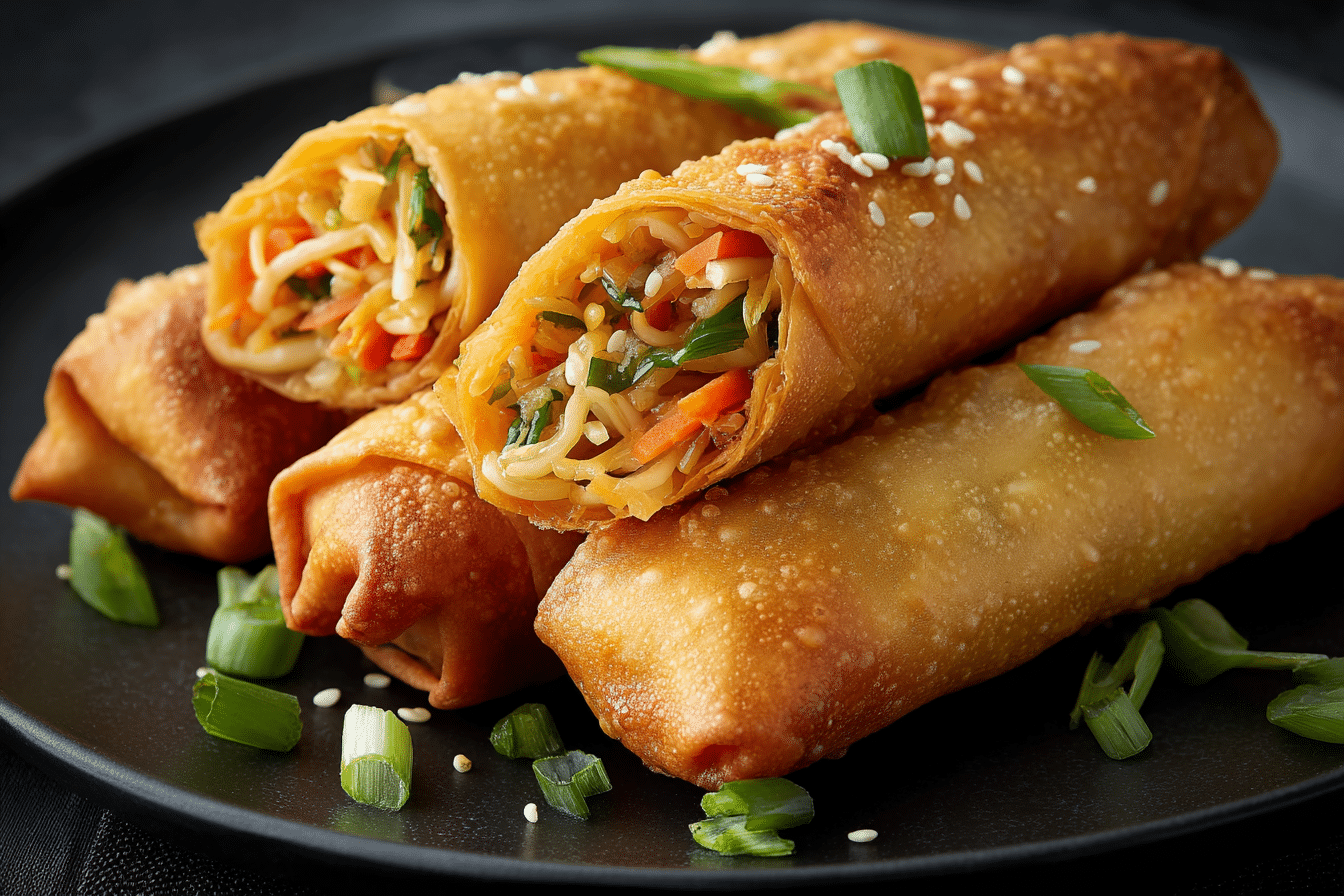
Rice Paper Wraps are the perfect answer when you want something light, fresh, and endlessly customizable. Also known as summer rolls or fresh spring rolls, these delicate yet satisfying bundles are made by wrapping crisp vegetables, herbs, noodles, and proteins in translucent rice paper.
They’re incredibly versatile—serve them as an appetizer, lunch, or healthy snack. You can keep them fully plant-based or load them up with shrimp, chicken, or tofu. What makes rice paper wraps shine is their balance of textures: soft, chewy wrappers around crisp fillings, paired with dipping sauces that elevate every bite.
Ideal for warm weather or no-cook meals, rice paper wraps are colorful, portable, and full of vibrant flavor.
Ingredients Overview
The beauty of rice paper wraps is that the ingredients are flexible. Here’s a breakdown of the most common components and alternatives you can use to suit your preferences.
-
Rice Paper Wrappers: Thin, translucent sheets made from rice flour and water. They’re sold dried and become pliable when dipped briefly in warm water. Look for 22cm (8.5-inch) rounds for easier rolling.
-
Vermicelli Noodles: Thin rice noodles that add texture and substance. These are typically soaked in boiling water for a few minutes, then cooled before using.
-
Protein Options:
-
Shrimp: Cooked, peeled, and sliced lengthwise.
-
Grilled Chicken: Thinly sliced or shredded.
-
Tofu: Pressed, pan-fried, or baked for a firm texture.
-
Tempeh or Boiled Eggs: Great for vegetarian versions.
-
-
Vegetables: Crisp and colorful veggies add crunch and freshness.
-
Carrots, Cucumbers, Bell Peppers: Julienned for easy rolling.
-
Lettuce or Cabbage: For a soft yet structured layer.
-
Avocado: Creamy contrast to crunchy ingredients.
-
Radishes, Sprouts: Optional extras for flavor and flair.
-
-
Fresh Herbs: Essential for brightness and flavor.
-
Mint: Cool and refreshing.
-
Cilantro: Adds depth.
-
Thai Basil: If available, it lends a licorice-like aroma.
-
-
Dipping Sauce: Peanut sauce, hoisin-lime, or nuoc cham (Vietnamese fish sauce-based dip) are classic options. Each adds richness and tang that ties the rolls together.
With a bit of prep, these ingredients combine into rolls that are as beautiful as they are tasty.
Step-by-Step Instructions
-
Prep All Fillings First
Slice vegetables into thin strips. Cook and cool vermicelli noodles according to package instructions. Prepare your protein (boil, grill, or pan-fry as needed). Wash and pat herbs dry. -
Set Up a Rolling Station
Fill a large shallow dish with warm water. Place a clean, damp tea towel or cutting board nearby. Have all fillings within arm’s reach. -
Soften the Rice Paper
Submerge one rice paper round into the warm water for about 5–7 seconds—just until pliable but not overly soft. Lay it flat on your damp surface. It will continue to soften as you work. -
Add Fillings
Place a few slices of protein near the bottom third of the wrapper. Add a small amount of noodles, followed by vegetables and herbs. Don’t overfill—less is more for easier rolling. -
Roll It Up
Fold the bottom edge over the fillings, then fold in the sides like a burrito. Roll tightly but gently until sealed. Repeat with remaining wrappers. -
Serve with Sauce
Place rolls on a plate seam-side down. Cover with a damp towel if not serving immediately. Pair with dipping sauce of choice.
Avoid These Mistakes:
-
Oversoaking the rice paper—it tears easily if too soft.
-
Overfilling, which makes rolling difficult and causes bursting.
-
Not drying veggies or herbs—too much moisture weakens the wrapper.
Tips, Variations & Substitutions
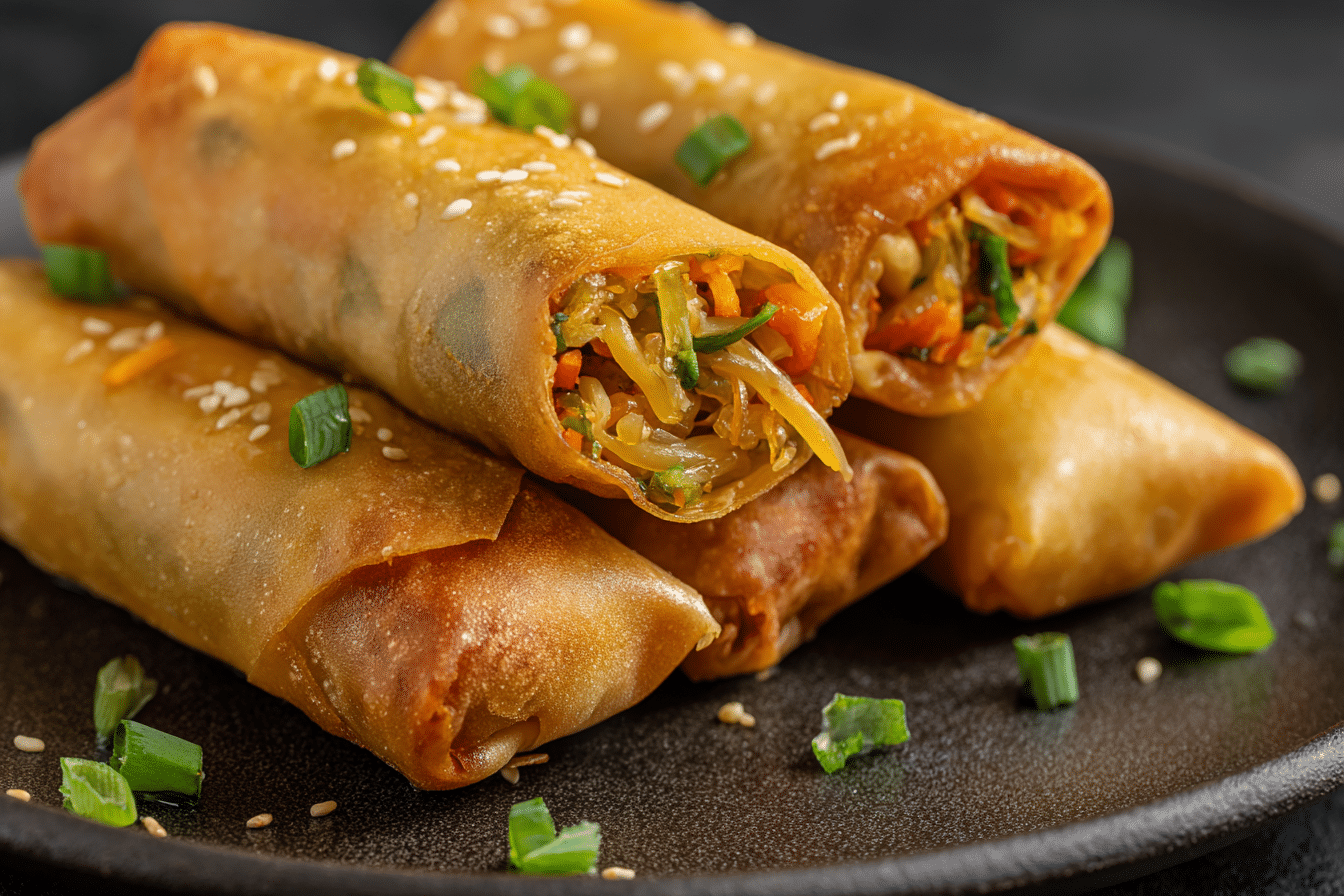
Tips for Success:
-
Roll on a damp surface to prevent sticking.
-
Slice all ingredients uniformly for a clean look and even texture.
-
Keep wraps covered with a damp towel if prepping ahead.
Tasty Variations:
-
Rainbow Rolls: Use a mix of colorful veggies like purple cabbage, orange carrots, and green cucumber.
-
Tropical Flavor: Add mango or pineapple for a sweet twist.
-
Spicy: Add a strip of chili or serve with sriracha or spicy peanut sauce.
Substitutions:
-
Low-Carb: Omit noodles or replace with spiralized cucumber or daikon.
-
Vegan: Use tofu, tempeh, or mushrooms as protein.
-
Gluten-Free: Rice paper and vermicelli are naturally gluten-free—just confirm with labels.
These wraps are flexible for dietary needs and flavor preferences.
Serving Ideas & Occasions
Rice Paper Wraps are perfect for light meals, crowd-pleasing appetizers, or creative DIY dinners.
Serve As:
-
A refreshing starter at parties
-
A light lunch paired with soup or salad
-
A fun family meal where everyone builds their own rolls
-
A packable, no-reheat lunchbox option
Pair With:
-
Chilled cucumber salad
-
Hot miso soup or clear broth
-
Cold jasmine tea or sparkling water with lime
They’re ideal in warmer months or anytime you crave something crisp, clean, and flavorful.
Nutritional & Health Notes
Rice paper wraps are naturally low in fat and calories, especially when filled with fresh vegetables and lean proteins. They offer a balance of fiber, protein, and healthy carbs, depending on the fillings.
You can keep them light by reducing the amount of noodles or using leaner proteins like shrimp or tofu. The vegetables contribute vitamins and antioxidants, and fresh herbs aid digestion and add nutrients.
Dipping sauces can add calories, especially peanut-based ones, so serve them on the side to control portions. Using homemade sauces allows you to adjust sugar and salt levels to fit your needs.
These wraps are a smart, nourishing choice for nearly any diet.
FAQs
1. Can I make rice paper wraps ahead of time?
Yes, but they are best eaten fresh. If making ahead, wrap each roll in plastic wrap or place in a container with damp paper towels to prevent drying. Consume within 24 hours.
2. How do I stop the rice paper from sticking?
Use a damp surface for rolling and keep your fingers slightly wet. Placing finished rolls on lettuce leaves or lightly oiled plates helps prevent sticking.
3. Can I freeze rice paper wraps?
No, they don’t freeze well. The texture of the rice paper becomes gummy and unpleasant when thawed.
4. What’s the best dipping sauce for these?
Classic peanut sauce, hoisin-lime, or Vietnamese nuoc cham are all great choices. You can also mix soy sauce, lime juice, and a splash of sesame oil for a quick dip.
5. Can I skip the noodles?
Yes, leaving out the vermicelli makes the wraps lighter and lower in carbs. Use extra veggies or herbs instead.
6. Are rice paper wraps gluten-free?
Yes, most rice paper wrappers and rice noodles are gluten-free. Just double-check labels, especially for sauces and add-ins.
7. How many wraps should I serve per person?
As a main, serve 4–5 wraps per person. As an appetizer or side, 2–3 wraps are typically enough.
Rice Paper Wraps: One Fresh, Easy Recipe for Light Yet Flavorful Bites
Fresh, crisp Rice Paper Wraps filled with colorful veggies, herbs, noodles, and your choice of protein. Serve with dipping sauce for a light, customizable meal or appetizer.
Ingredients
8–10 rice paper wrappers
1 cup cooked rice vermicelli noodles
1 cup cooked shrimp, grilled chicken, or tofu (sliced)
1 small carrot, julienned
1 cucumber, julienned
1 bell pepper, thinly sliced
½ avocado, sliced
1 cup shredded lettuce or cabbage
½ cup fresh mint, cilantro, or Thai basil
Warm water (for soaking rice paper)
Dipping Sauce (Peanut Style):
¼ cup peanut butter
1 tbsp soy sauce
1 tbsp lime juice
1 tsp honey or maple syrup
2–3 tbsp warm water (to thin)
Instructions
-
Prep and slice all fillings. Cook noodles and cool.
-
Fill a shallow dish with warm water. Soak one rice paper for 5–7 seconds.
-
Lay wrapper on a damp surface. Add protein, noodles, veggies, and herbs in the lower third.
-
Fold bottom edge over fillings, fold in sides, and roll tightly.
-
Repeat with remaining wrappers.
-
Whisk dipping sauce ingredients until smooth.
-
Serve rolls with sauce immediately or store under damp towel.
Notes
Do not overfill wraps. Roll gently but firmly. Store covered with a damp towel in the fridge up to 1 day.